Пиксель-арт
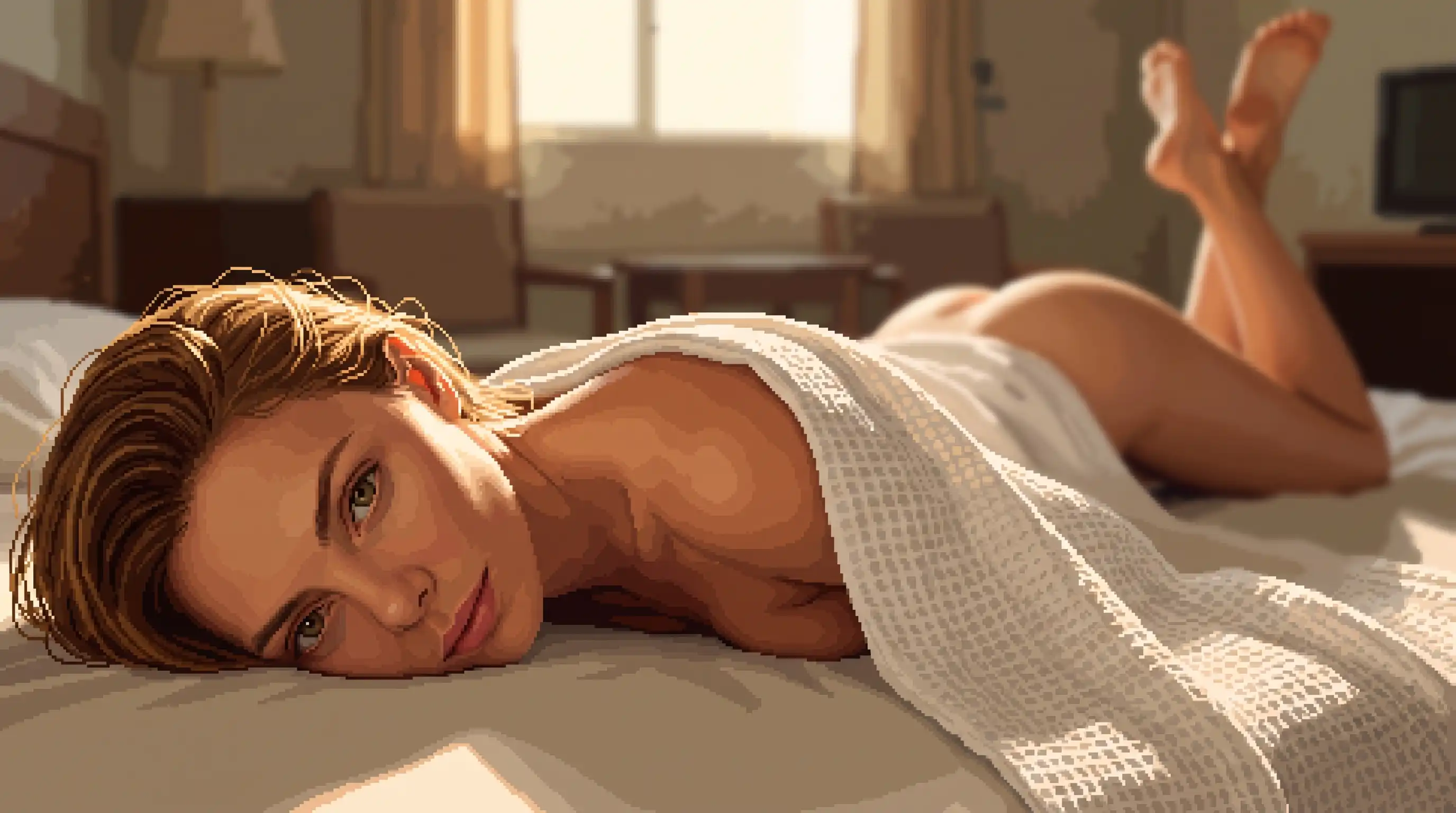
ОПИСАНИЕ
Цифровая графика, построенная из дискретных пикселей с ограниченной детализацией, характерной цветовой палитрой и намеренно пиксельной геометрией.
PROMPT
{"style_block":{"instruction":"Apply this stylization to the final image generated from the main prompt. The main prompt defines the scene, composition, pose, environment, objects, clothing, action and overall visual content. Any attached reference images are references for identity, appearance and visual consistency only; they are not the target scene and must not be directly reproduced or transformed as standalone photographs. Preserve the referenced person's identity and relevant visual characteristics while rendering the final prompted scene as highly detailed, unmistakable pixel art.","input_priority":"The main prompt defines what is happening and what the final scene contains. Reference images define who the subject is and how that subject should look. The style block defines how the final generated image is rendered. When a reference image and the main prompt differ in scene, environment, pose, clothing, objects or composition, follow the main prompt while preserving the referenced identity and relevant appearance.","pixel_art":{"aesthetic":"Premium 8-bit and 16-bit pixel art inspired by classic cinematic game graphics and handcrafted sprite artwork, with sophisticated modern detail.","resolution":"Use a deliberately reduced pixel resolution with clearly visible individual square pixels, while retaining enough pixel density to preserve facial identity, anatomy, silhouettes and important environmental details.","pixel_structure":"Crisp hard-edged pixel clusters, deliberate pixel placement, stepped contours, controlled dithering, selective anti-aliasing avoidance, carefully constructed highlights and shadows, readable silhouettes and authentic pixel-level texture.","color_palette":"A carefully controlled game-art palette derived from the final scene, preserving its dominant colors, skin tones, clothing colors, environmental hues and lighting mood while translating them into a limited but rich pixel palette.","shading":"Use classic pixel-art shading techniques including clustered shadows, stepped tonal transitions, selective dithering, cross-pattern pixel textures, highlight clusters and carefully placed specular pixels. Preserve three-dimensional volume rather than flattening the subject.","face":"Preserve recognizable facial structure, eye placement, nose, lips, hairstyle, expression and natural asymmetry from the reference identity while translating them into precise pixel clusters. Eyes and other identity-defining features should receive especially careful pixel-level treatment.","lighting":"Render the lighting described by the main prompt using pixel-art illumination: directional highlights, deep clustered shadows, reflected light, rim highlights and readable light falloff. Preserve the intended lighting direction and atmosphere of the final scene.","materials":"Translate skin, hair, fabric, metal, glass, water, wood, stone and other visible materials from the final scene into distinct pixel textures without losing their physical visual characteristics.","background":"Build the background from the environment and objects defined by the main prompt. Simplify secondary details only as necessary for pixel-art rendering, but do not replace the prompted environment with a generic game background.","depth":"Maintain foreground, subject and background separation through pixel-scale contrast, tonal grouping, silhouette clarity and selective detail density.","texture":"Authentic handcrafted pixel texture with controlled dithering, subtle color variation, irregular pixel clusters and deliberate imperfections. Avoid random pixel noise.","composition":"Follow the composition, camera angle, framing, perspective, subject placement and spatial relationships defined by the main prompt. Reference images must not override the prompted scene composition.","fidelity":"The final generated scene must remain faithful to the main prompt while preserving the identity and relevant visual characteristics provided by the reference images. Pixelization is the primary visual transformation; the scene itself must remain the scene requested by the main prompt.","finish":"Highly polished, handcrafted, cinematic pixel artwork with the visual discipline of premium 16-bit game art and the recognizable structure of the final prompted scene."},"aesthetic":"Cinematic 8-bit / 16-bit pixel art, detailed retro game graphics, handcrafted sprite aesthetic, rich limited palette, sophisticated pixel rendering, nostalgic but high-fidelity, visually dense and expressive.","quality":"Extremely detailed pixel clusters, clean silhouettes, precise facial rendering, coherent anatomy, controlled dithering, rich tonal depth, authentic retro pixel-art construction.","negative_prompt":"Treating the reference image as the target scene, directly reproducing the reference photograph, converting the reference photograph itself into pixel art, ignoring the main prompt, using the reference as the environment or composition, replacing the prompted scene with the reference scene, preserving reference-camera framing when it conflicts with the main prompt, generic character, altered identity, changed face, changed pose when defined by the main prompt, changed composition, altered anatomy, distorted proportions, missing details, extra limbs, duplicated body parts, malformed hands, malformed face, generic background, redesigned scene, photorealism, smooth photographic rendering, smooth gradients, vector graphics, flat vector art, excessive anti-aliasing, blurry pixels, soft pixels, random pixel scatter, excessive dithering, chaotic colors, oversimplified sprite, low-detail sprite, 3D render, CGI, generic illustration, cartoon, anime, text, numbers, UI elements, game interface, HUD, logos, watermark, signature.","final_result":"A highly polished, unmistakable pixel-art reconstruction of the final scene defined by the main prompt, using deliberate 8-bit/16-bit pixel clusters, controlled dithering, rich limited colors, precise silhouettes, detailed facial rendering, coherent anatomy, authentic material textures, and faithful preservation of the referenced identity without directly reproducing the reference image as the scene."}}