Ксерокс-панк
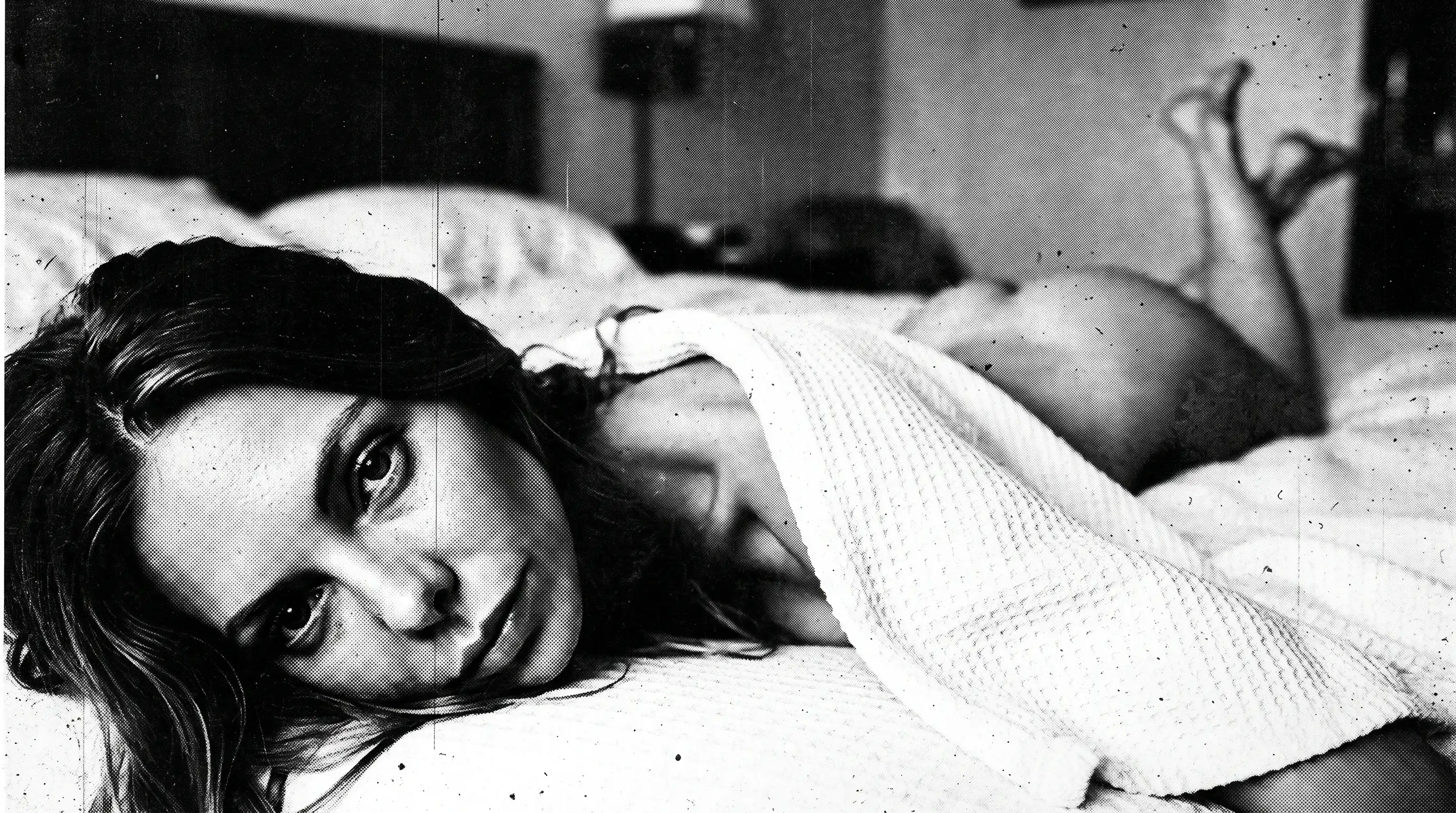
ОПИСАНИЕ
Грязная чёрно-белая ксерокопия в духе панк-зинов с жёстким контрастом, распадом деталей, тонером, помехами копирования и дешёвой бумажной фактурой.
PROMPT
{"style_block":{"instruction":"Apply this stylization to the final image generated from the main prompt. The main prompt defines the scene, composition, pose, environment, objects, clothing, action and overall visual content. Any attached reference images are references for identity, appearance and visual consistency only; they are not the target scene and must not be directly reproduced or transformed as standalone photographs. Preserve the referenced person's identity and relevant visual characteristics while rendering the final prompted scene as a raw black-and-white Xerox photocopy aesthetic inspired by underground punk zines, DIY flyers, photocopied art and repeatedly reproduced low-cost print material. The stylization must change the physical reproduction process and visual texture without reducing the amount of important visual information in the final scene.","input_priority":"The main prompt defines what is happening and what the final scene contains. Reference images define who the subject is and how that subject should look. The style block defines how the final generated image is reproduced. When a reference image and the main prompt differ in scene, environment, pose, clothing, objects or composition, follow the main prompt while preserving the referenced identity and relevant appearance.","medium":"Cheap monochrome office and copy-shop Xerox reproduction on ordinary paper, using black toner with imperfect transfer, repeated photocopy degradation, high-contrast reproduction, dirty machine artifacts and physical paper irregularities.","reproduction_process":"The image should feel as though an original artwork or photograph was printed, placed on a copier, photocopied, copied again, and repeatedly reproduced until fine details begin breaking apart. Preserve important subject information while introducing authentic generational degradation, tonal compression and mechanical imperfections.","tonal_structure":"Use aggressive black-and-white reproduction with a compressed photocopy tonal range. Large areas should naturally fall into deep black or dirty gray, while bright areas may blow out toward paper white. Preserve enough intermediate information for facial identity, anatomy, clothing and important environmental structures to remain recognizable.","contrast":"Extremely high photocopy contrast with hard transitions, dense toner blacks, dirty midtones and blown highlights. Contrast should feel caused by cheap reproduction hardware and repeated copying rather than cinematic grading.","halftone":"Use coarse photocopy halftone and toner-density breakup where appropriate, with visible clusters, uneven dot structure, moire-like interference and irregular density in large tonal areas. Halftone should remain physically integrated into the image rather than appearing as a decorative screen-print effect.","toner":"Introduce authentic black toner behavior: dense flat deposits, uneven coverage, slightly soft toner edges, granular toner accumulation, local density variation and occasional weak areas where the copied surface fails to reproduce solidly.","ink_and_toner_edges":"Edges should show the characteristic harshness and slight instability of photocopied material: brittle black contours, occasional fuzzy transfer, tiny halos, uneven edge density and repeated-copy breakup. Avoid clean digital vector edges.","detail_preservation":"Preserve the maximum amount of meaningful visual information that can survive the Xerox process. Fine details may become degraded, fractured or partially lost in extreme areas, but identity-defining facial features, anatomy, important clothing structures and major environmental forms must remain readable.","information_density":"Maintain high information density without making the image look digitally clean. Reproduce small structures through toner breakup, dense photocopy grain, fractured edges and compact black-white patterns rather than removing them entirely.","generation_degradation":"Simulate multiple generations of photocopy reproduction: progressively reduced micro-detail, slightly misregistered contours, tonal flattening, dirty backgrounds, repeated edge ghosting, faint duplicate lines, local contrast collapse and small accumulation of mechanical artifacts.","ghosting":"Allow subtle duplicate contours or faint offset shadows produced by repeated photocopy passes. Ghosting should be restrained and occur primarily around strong edges or high-contrast details.","registration":"Introduce slight mechanical registration errors between repeated black passes or copied layers, producing tiny positional shifts, doubled edges and imperfect alignment. Keep these shifts subtle enough that the subject remains readable.","background":"Preserve the environment defined by the main prompt, but allow plain or low-information areas to pick up characteristic copier dirt, gray haze, faint machine noise and uneven toner coverage. The background must not automatically become a generic photocopier sheet.","paper":"Use ordinary cheap matte paper with subtle fibers, slight grayness, uneven absorption, tiny surface imperfections and occasional flattened texture caused by repeated copying. The paper should feel inexpensive and physically handled rather than luxurious.","paper_wear":"Allow subtle folds, pressure marks, faint rubbing, small edge wear, slight creases and localized gray smears consistent with a photocopied zine page that has been handled, stacked and recopied.","machine_artifacts":"Include restrained authentic copier artifacts such as vertical feed streaks, faint horizontal banding, toner dust, dirty scanner glass marks, edge smears, uneven exposure across the page, small black specks, gray fog, repeated lines and occasional mechanical noise. These artifacts must vary naturally and must not form a decorative pattern.","dirt":"Use irregular copier dirt concentrated primarily in empty areas, margins, low-information regions and occasional surface patches. Avoid evenly distributed digital noise.","scratches":"Allow tiny scratches and physical reproduction defects, but keep them subordinate to the image. Avoid dramatic vintage-film scratches or damaged-film aesthetics; this is cheap photocopy wear, not archival cinema film.","line_character":"Where the source contains fine lines, convert them into gritty high-contrast photocopied marks with occasional breakup, thickening, doubling or loss of continuity. Do not turn the image into hand-drawn ink illustration or graphic-novel linework.","face_and_identity":"Preserve recognizable facial identity, facial proportions, natural asymmetry, eye shape, eyebrows, nose, lips, jawline, cheeks, chin, hairline and other distinctive characteristics. Photocopy degradation may roughen the rendering but must not replace the person with a generic face.","anatomy":"Preserve accurate human anatomy and body proportions. High-contrast photocopy rendering may exaggerate silhouettes and shadows, but must not distort the underlying anatomy, pose or recognizable body structure.","hair":"Preserve hairstyle and major hair structure. Fine strands may partially merge or break due to copier degradation, but the overall silhouette, direction and recognizable structure must remain intact.","clothing":"Preserve garment silhouette, seams, folds, fasteners and major texture. Use toner density, broken edges and local contrast to describe fabric rather than painterly shading.","materials":"Translate visible materials according to photocopy behavior: skin through grain and tonal breakup, fabric through dense texture patterns, metal through hard black-white reflections, glass through sharp contrast, wood and stone through dirty high-frequency texture, foliage through clustered tonal masses.","lighting":"Preserve the lighting logic defined by the main prompt, translating it into harsh photocopy contrast, blown highlights, dense black shadows and imperfect intermediate tones. Do not invent dramatic lighting solely for stylistic effect.","composition":"Follow the composition, camera angle, framing, perspective, subject placement and spatial relationships defined by the main prompt. Reference images must not override the prompted scene composition.","aesthetic":"Raw underground Xerox punk zine, DIY photocopied flyer, cheap black-and-white copy-shop reproduction, late-night punk rehearsal flyer, underground art pamphlet, repeatedly copied photograph, distressed toner, dirty paper and imperfect mechanical reproduction.","layout_integrity":"Apply the Xerox treatment to the visual artwork itself. Do not automatically add magazine columns, borders, posters, page frames, decorative typography, headlines or graphic design elements unless explicitly requested by the main prompt.","text_restriction":"Do not generate letters, words, numbers, captions, fake headlines, logos, slogans, signatures or graphic symbols merely because the aesthetic references punk zines or photocopied flyers. If the main prompt explicitly requests text, preserve that requested text as accurately as possible.","realism":"The final image must convincingly feel like a physical Xerox reproduction created through a real copy machine, not a clean digital black-and-white filter, modern poster effect or generic distressed texture overlay.","imperfections":"Allow numerous small but coherent mechanical imperfections: uneven toner density, tiny specks, faint streaks, edge smears, duplicate contours, paper fibers, slight registration shifts, gray haze, small dark spots, local overexposure and underexposure, and occasional partially reproduced details.","negative_prompt":"clean digital black-and-white image, grayscale photography, darkroom print, silver-gelatin print, film grain aesthetic, vintage film damage, cinematic noir grading, clean vector art, comic-book art, graphic novel, ink illustration, woodcut, engraving, lithography, screen print, risograph, watercolor, pencil drawing, charcoal, oil painting, digital painting, smooth gradients, HDR, AI sharpening, modern image processing, clean edges, perfect tonal range, pristine white paper, luxury paper, decorative zine layout, magazine design, poster composition, automatic text, random letters, fake words, numbers, captions, slogans, logos, watermarks, signatures, excessive grunge, uniform noise, decorative scratches, heavy film scratches, sprocket holes, film burn, altered identity, altered anatomy, altered pose, altered composition, redesigned scene, added objects.","final_result":"A raw, high-contrast black-and-white Xerox reproduction of the final scene defined by the main prompt, with dense toner blacks, blown paper whites, coarse halftone breakup, repeated-copy degradation, ghosted contours, slight registration errors, dirty machine artifacts, cheap paper texture, irregular toner density and restrained DIY punk-zine character. The result must feel like a real underground photocopy repeatedly reproduced on an inexpensive office machine while preserving the identity, composition, anatomy and important visual information of the final prompted scene."}}