Номерок найдётся?
ОПИСАНИЕ
Старые журналы на дешёвой бумаге иногда хранят вещи, которые совсем не хочется выбрасывать. Откроешь такой спустя двадцать лет и вот она, девочка с обложки, смотрит прямо на тебя так, будто никуда и не уходила. Интересно только, сохранился ли где-нибудь её номер и что бы она сказала, если бы ты действительно его набрал?
PROMPT
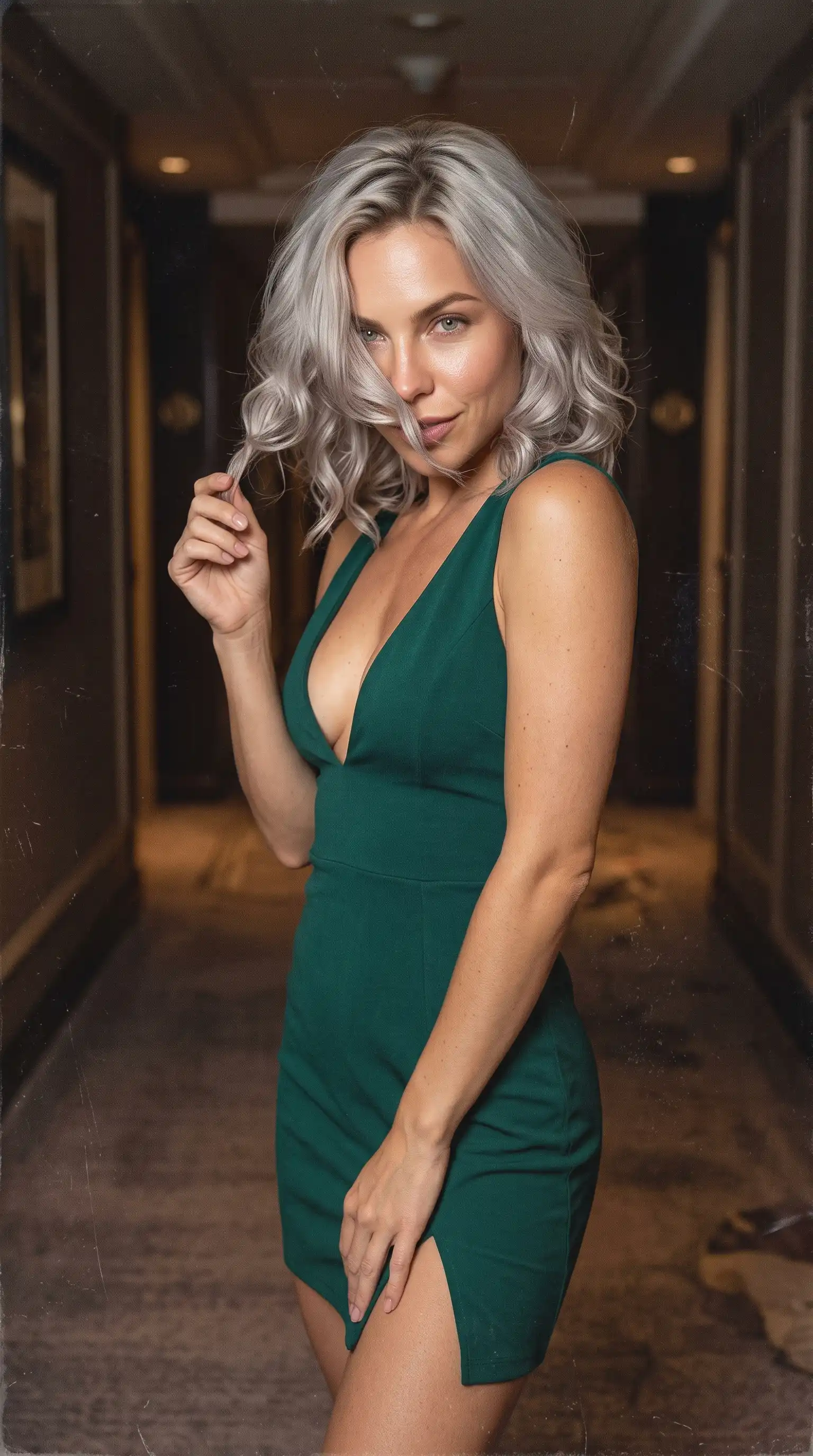
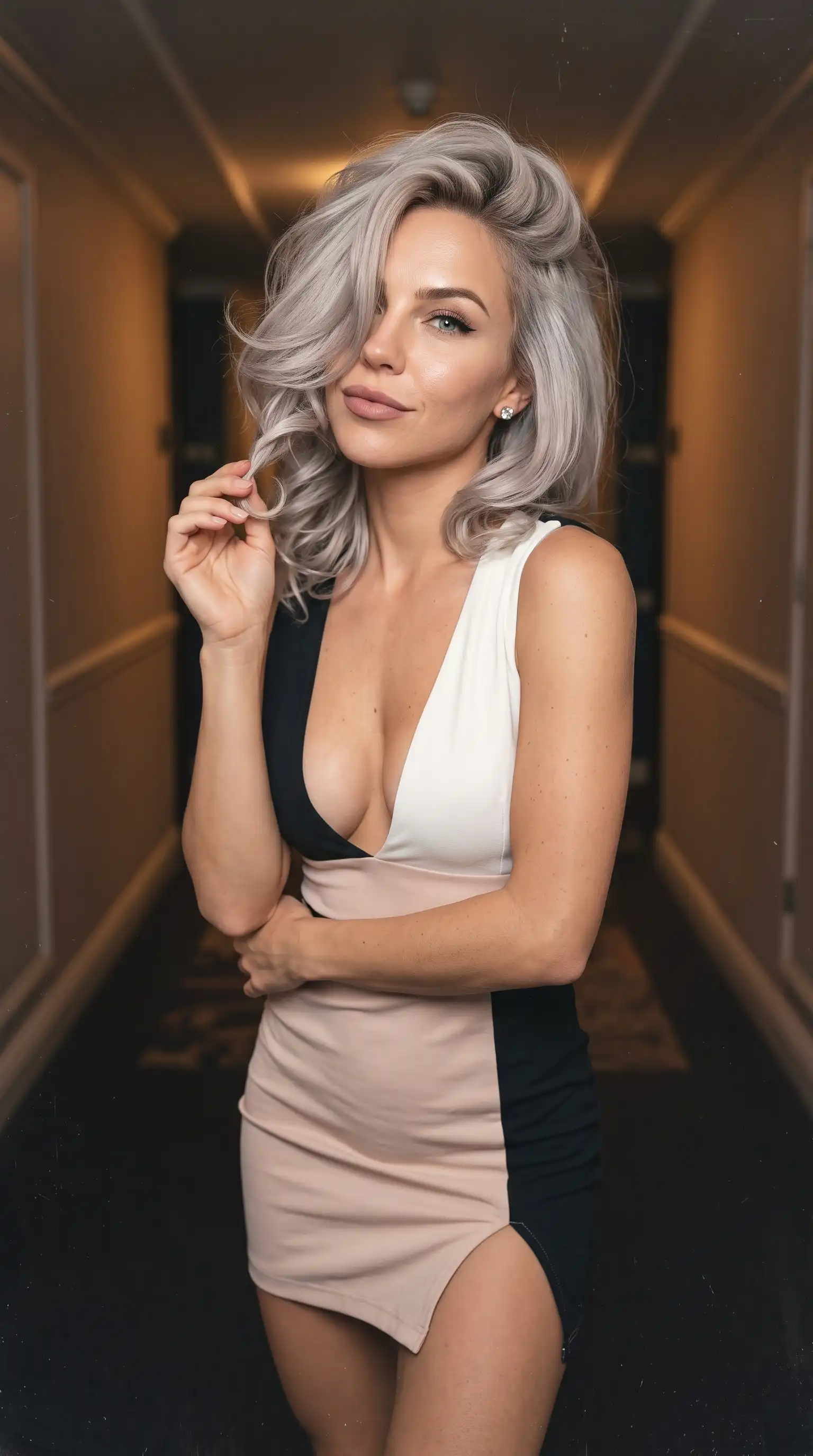
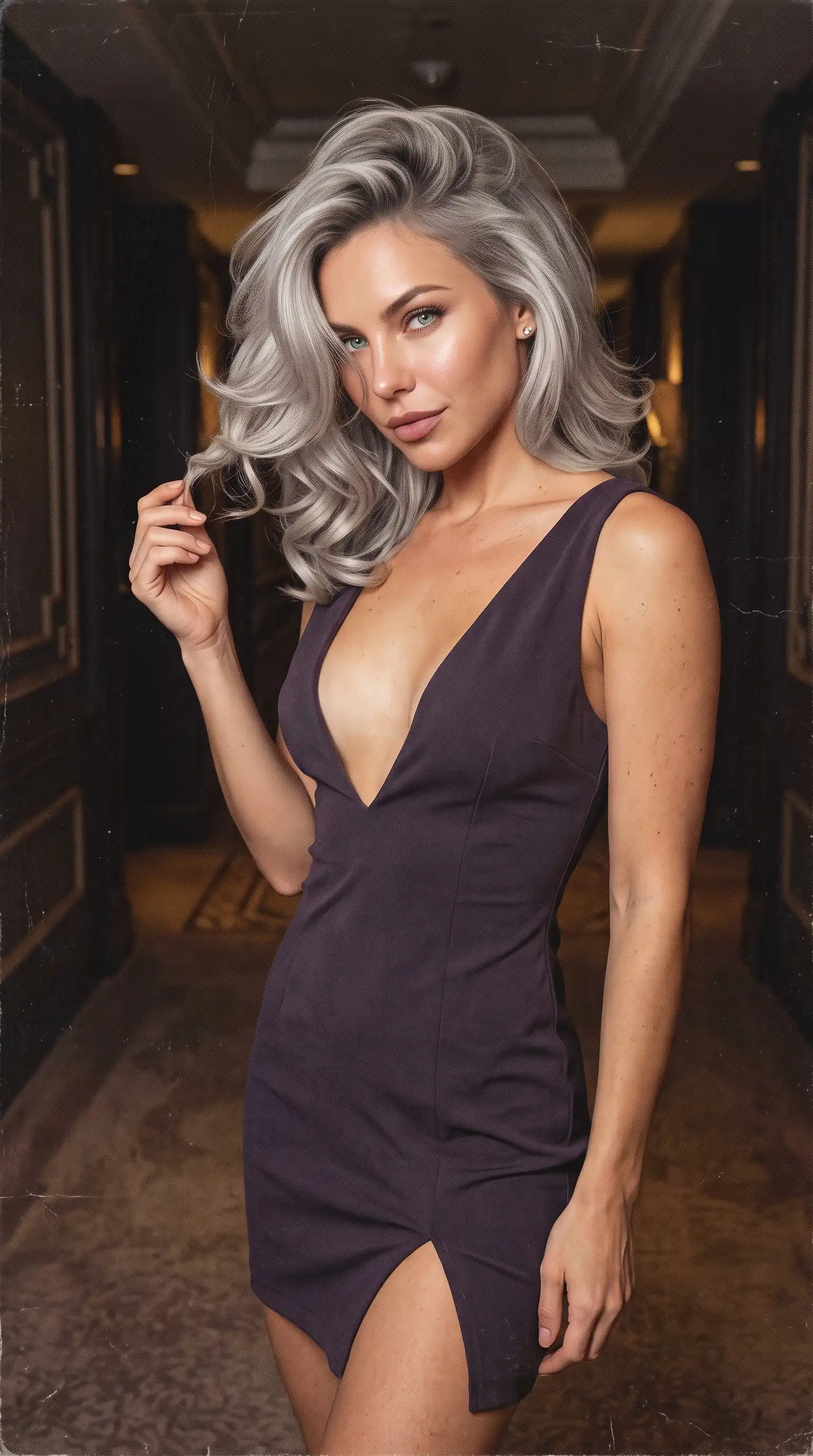
A highly realistic early-2000s glamour photograph reproduced as a slightly faded, gently worn magazine print from approximately 2000–2004.

The image fills the entire frame edge-to-edge. It is the printed photograph itself, not a photograph of a magazine page. There is no visible page surrounding the image.

The original photograph belongs unmistakably to the Y2K era: early digital-camera glamour photography with the slightly raw optical character, restrained detail, imperfect exposure behavior, and direct visual confidence typical of approximately 2000–2004.

The original photograph was glamorous and sensual, but the physical printed reproduction has naturally aged over time. Colors are gently faded, contrast slightly compressed, blacks mildly lifted, highlights somewhat softened, fine details subtly reduced, and the overall image has acquired the slightly imperfect physical character of an inexpensive mass-market erotic magazine print.

The adult woman has a voluminous round-brush blowout with pronounced root volume, a layered shape, and softly curled-in ends. Part of her hair naturally falls across her cheek and temple. Her hair is loose and swept toward the left side.

She lightly holds the end of one curl with one hand while looking directly into the camera. Her head is tilted slightly sideways and downward, creating a playful, coquettish, knowingly sensual attitude.

She is standing in the dark hallway of one of Las Vegas's upscale hotels. The environment has a distinctly early-2000s luxury-hotel character, with dark Art Deco-inspired walls, subdued decorative detailing, warm shadowed surfaces, and soft-pile carpeting. The architectural surroundings remain visually secondary and naturally fall into softer shadow behind her.

She wears a short dress with a beautiful plunging neckline. The dress has an unexpected, distinctive color that contrasts naturally with her slightly tanned skin. A tasteful slit reveals the line of her leg and adds movement to the silhouette.

Her makeup reflects early-2000s glamour: elongated fox-eye / cat-eye eyeliner, extended lashes, an even luminous complexion, a subtle wet-looking highlight, matte nude dusty-rose lipstick with a slightly deeper lip contour, and a tiny diamond stud earring.

The framing is medium-to-close, with the torso turned slightly away from the camera while the head rotates back toward the lens.

Her pose is relaxed, playful, and deliberately seductive without appearing mechanically staged. The gesture of holding the curl, lowered head, direct gaze, slight body rotation, and confident posture create the unmistakable visual language of an early-2000s erotic magazine beauty shoot.

The photograph uses an inexpensive professional glamour setup combined with the slightly imperfect optical character of an early digital camera.

A large frontal softbox provides the primary illumination. It is soft and flattering but not perfectly controlled, producing visible yet restrained specular highlights and gentle shadows behind her. The lighting should feel physically present rather than digitally simulated.

The softbox is slightly imperfect in the characteristic way of early digital glamour photography: luminous enough to flatter the subject without the precise computational control of modern cameras. Skin remains naturally dimensional rather than excessively polished.

There is no giant white flash hotspot and no severely overexposed skin. The brightest areas remain readable, with only a very slight tendency toward early-digital clipping.

Soft ambient hotel lighting remains underneath the frontal illumination, adding a faint warm yellow-brown undertone to the shadows and preserving the atmosphere of the dark hallway.

The overall color character should feel distinctly Y2K rather than generically vintage. Pale pinks gently drift toward dusty rose, whites carry a faint warm paper cast, skin retains natural warmth, darker tones are slightly softened, and highlights lose a small amount of density.

The original photograph retains the characteristic mixture of early digital clarity and slight compact-camera roughness: enough detail to feel convincingly photographic, but noticeably less refined than contemporary full-frame digital photography.

PRINT REPRODUCTION — HARD CONSTRAINT:

The final image must appear as the printed photographic image itself, filling the entire frame from edge to edge.

Do not show the magazine page, page margins, white paper around the photograph, borders, gutters, corners, page edges, or any surrounding background.

The viewer sees only the old printed photograph, as though looking directly at the photographic reproduction itself.

The photograph was printed in approximately 2000–2004 on inexpensive mass-market magazine stock and has aged naturally over time.

The print is slightly faded and physically worn, but still attractive, readable, and recognizable.

The most important physical characteristics are gently faded colors, slightly softened contrast, mildly lifted blacks, subtly weakened highlights, a small loss of fine detail, very slight ink spreading, extremely fine printing texture, tiny tonal irregularities, faint surface wear from handling, a few very subtle hairline scratches and scuff marks, barely perceptible imperfections in color registration, and mild unevenness in ink density.

The aging must remain restrained and believable. The image should look like a real magazine photograph that has simply spent years being handled and stored, not like an intentionally distressed vintage artwork.

The paper stock has a modest old glossy-magazine character, but the coating should not produce a pristine modern luxury shine. The surface should feel slightly aged and handled rather than perfectly fresh and reflective.

Any visible paper texture, tiny scratches, scuffs, ink irregularities, or printing artifacts must exist directly within the photographic image surface itself. They must never create a surrounding paper background, white page area, frame, margin, or separate physical sheet around the photograph.

The result should look like a slightly faded, gently worn printed photograph — not like a photograph of a magazine page.

The image occupies the entire frame edge-to-edge.

No white border. No page margin. No visible paper edge. No surrounding white area. No magazine layout. No detached sheet. No photographed page. No background outside the photograph.

The final image should feel like one memorable photograph from an old erotic magazine that someone discovered years later in a drawer — slightly faded, slightly soft, physically imperfect, but still striking.

It should feel less like a vintage fashion photograph and more like an actual photograph printed in a cheap early-2000s adult magazine and later rediscovered in a drawer.

The emotional tone is glamorous, playful, provocative, confident, and unmistakably rooted in the visual culture of approximately 2000–2004.

The result should remain sensual rather than explicit, with the erotic quality coming from her gaze, posture, styling, framing, and the distinctive visual language of early-2000s glamour photography.

Negative prompt: white border, white frame, white margins, page border, page edges, visible paper sheet, paper surrounding image, photographed magazine page, visible magazine page, magazine spread, editorial layout, headlines, captions, page numbers, text, typography, logos, watermark, signature, detached photograph, photo lying on paper, photograph mounted on paper, blank white background, clean pristine glossy print, fresh glossy magazine, luxury coated paper, perfect modern printing, perfect color registration, untouched print, modern commercial finish, digital vintage filter, fake paper overlay, artificial scratches, heavy scratches, torn paper, severe stains, heavy grunge, extreme discoloration, excessive fading, extreme halftone, strong scan lines, modern ultra-sharp digital photography, pristine 8K clarity, hyper-detailed contemporary rendering, HDR, excessive clarity, excessive microcontrast, excessive retouching, plastic skin, airbrushed skin, synthetic beauty, contemporary beauty campaign, luxury advertising perfection, sterile studio perfection, cinematic teal-orange grading, modern cinematic color science, heavy film grain, VHS artifacts, Polaroid frame, severe blur, excessive haze, artificial fog, blown flash highlights, giant flash hotspot, overexposed skin, cold blue lighting, uniform studio illumination, modern hotel interior, modern furniture, modern fashion photography, satin fabric, glossy plastic fabric, synthetic-looking dress, artificial anatomy, distorted hands, extra fingers, extra limbs, duplicated body parts, unnatural proportions, CGI, 3D render, digital illustration, painting, anime, cartoon, artificial skin texture, fake magazine texture, excessive paper damage, severe surface wear, strong chromatic aberration
ПО МОТИВАМ
СГЕНЕРИРОВАНО В
РЕФЕРЕНС